Our model
How Silver River works
Silver River represents Latin American transformer plants in the American market. You contract the factory directly, at factory pricing; Silver River earns a fee for the representation. The work is everything around that contract — and it is built so that your supply does not stop.
The transaction
Who signs what
The network
Built so the supply never stops
A single factory is a single point of failure: a full order book, a steel allocation, a bad quarter, and your slot moves. So the network is built in layers, and the vetting never stops. Two plants under exclusive US representation carry the core of the book. Around them, a bench of vetted plants across four countries, each built for a different class of unit — and no plant carries an order through Silver River before its pricing bands, its reserved capacity and its warranty are agreed in writing. A quotation holds because the terms behind it were settled before your purchase order, not after.
A single country is a single point of failure too. The bench crosses borders on purpose — separate economies, separate currencies, separate supply chains for steel, copper and oil — so no one country’s bad quarter travels up your feeder. And the map is built to keep growing the same way: plant by plant, country by country, ahead of the orders routed to it.
When a class runs long at one plant, the specification routes to the next one built to make it. You keep one contact, one file, one time zone — and a second origin already on record the day you need it.
Exclusive plants
Two plants under exclusive US representation
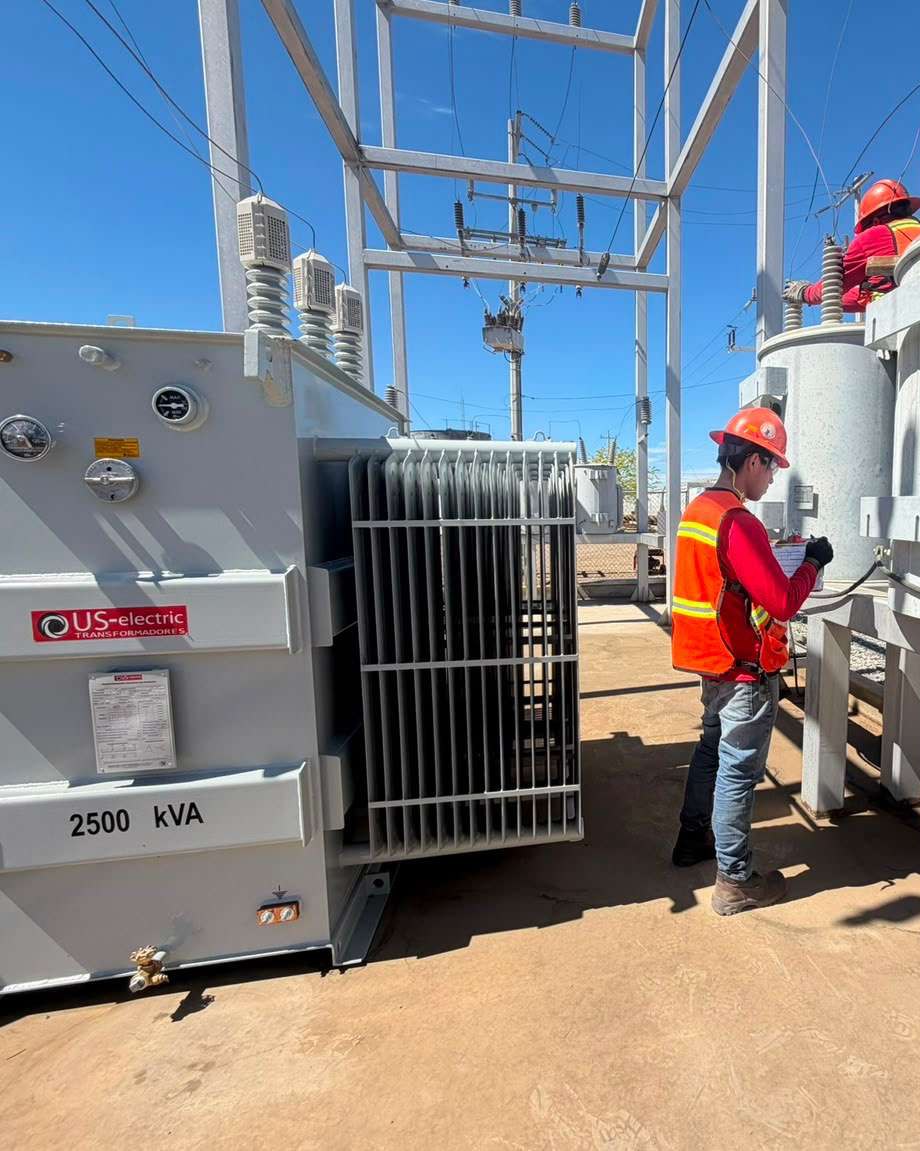
US Electric, in the Monterrey industrial corridor — a manufacturer, tester and repairer of distribution transformers 150 miles from the Laredo crossing, with twenty-five years of production and a US export record behind it.
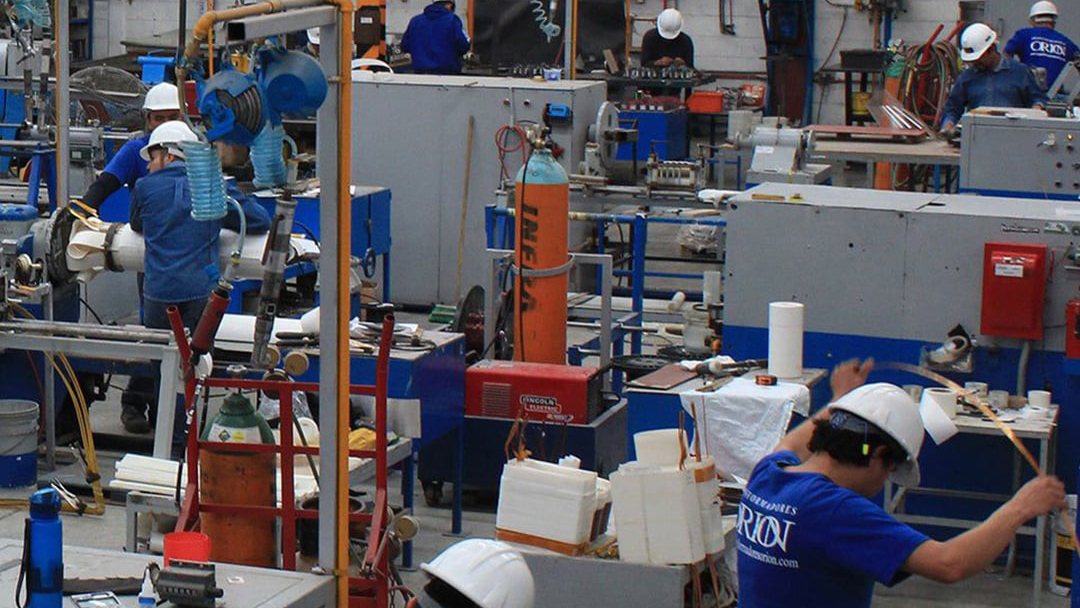
Transformadores Orión, on the northern edge of Mexico City — building liquid-filled and dry-type transformers since 1987, with a test bench to the NMX-J series and a field-service operation of its own.
Silver River holds each plant’s exclusive representation for the United States: every US order from either plant runs through Silver River, and Silver River answers for it. That is the spine of the network — an exclusive, direct line from your specification to a factory floor that tests every unit before it ships.
The vetting
How a plant gets in
1On paper. Catalog, standards practice, test capability, references, financial standing. Most plants stop here.
2On the floor. The core and coil shop, the tank line, the test laboratory, the quality system — and the routine-test records on real units, not the brochure.
3On the drawings. A US-licensed professional engineer reads the designs against US utility configurations: losses, impedance, insulation levels, accessories, finish, nameplates.
4In service. Units already running, and who they were built for.
5In writing. Pricing bands, reserved capacity, warranty, factory-acceptance-test access and quotation turnaround — agreed before the first order routes.
6Signed. The plant enters the network under a representation agreement. The vetting continues on every order: a routine test report per unit, and a plant that slips loses the specification to the next one.
Your order
From specification to site
1Spec & quote. You send the specification; the factory’s quotation comes back through us — factory pricing, landed on paper, engineering questions answered in English, on US terms.
2Contract. You contract the factory directly, at the quoted price. The warranty, the delivery date and the routine tests are on the paper you sign.
3UL listing status. Confirmed per design on the quotation.
4Build & test. Manufacturing and routine testing at the plant; factory acceptance witnessed in person or remotely if your specification calls for it.
5Border & site. Overland or ocean by origin, coordinated with your carrier and broker, on to the US delivery site — with Silver River on the relationship after the truck leaves.
Our suppliers
A manufacturing network across Latin America
Seven plants across four countries — every specification routes to the plant built to make it. Two are named, both under exclusive US representation; the bench is not, until you ask for its file.
| Country | Focus | Range |
|---|---|---|
| Mexico | US Electric — exclusive US representation. Distribution & dry-type: pad-mounted, pole, station, dry | 15 kVA – 5 MVA · to 34.5 kV |
| Mexico | Transformadores Orión — exclusive US representation. Distribution & dry-type: pad-mounted, pole, substation, submersible, zig-zag grounding | 50 VA – 3 MVA · to 34.5 kV |
| Mexico | Dry-type & liquid-filled: control to substation, K-factor, encapsulated | 50 VA – 5 MVA · to 34.5 kV |
| Mexico | Distribution: pad-mounted, pole, substation, dry | 5 kVA – 5 MVA · to 34.5 kV |
| Argentina | VSD / rectifier-duty transformers · oil & gas | 130 – 2,500 kVA · input to 35 kV · 6/12/24-pulse |
| Brazil | Power & distribution | Up to 100 MVA |
| Paraguay | Distribution & rural | Up to 10 MVA |
The network on the map · plants across Latin America · overland and ocean corridors into the US
After delivery
The part after the truck leaves.
A transformer is a twenty-year decision. The purchase order is the easy part.
Silver River is a US company holding the factory relationship on your behalf. After delivery, you are not filing a ticket into another hemisphere and waiting. You call us, in your hours, and we work it with the plant.
Tested before it ships
Every unit leaves the plant with its routine test report. It travels with the transformer — you do not have to ask for it.
The warranty, in writing
The manufacturer’s warranty, stated on the quotation you sign — three years from shipment against defects in material and workmanship on current export quotations. Silver River opens the claim and drives the response.
One US call. Service coordinated here.
When something goes wrong, you make one call — to a US company, in your hours. We drive the factory on the warranty, and for hands on the unit we work with US firms: independent testing, transformer service shops, emergency units. Your own contractors if you have them — and if you don’t, we know who to call. Coordination is our job, before and after delivery.
In your time zone
Your factory is awake when you are. Same business hours end to end — no overnight wait for answers from the other side of the world.
Who do I call after it’s installed? Silver River. We hold the factory relationship and we work the issue with the plant on your side of the clock.
How do I know it works before I energize it? Every unit ships with its factory routine test report. Acceptance testing on site stays with your own testing firm — we make sure they have the factory data they need to run it.
Is the warranty with you or the factory? The warranty is the manufacturer’s, stated on the quotation you sign — current export quotations carry three years from shipment. You contract the factory directly; Silver River carries the relationship and drives the response.
What if it fails in the field? You call Silver River. In warranty, the claim goes to the plant in writing the same business day and we drive the factory’s response — repair or replacement of a defect in material and workmanship, on the terms of the warranty policy that comes with the quotation. Anything needing hands on the unit in the US, we coordinate — independent test firms, transformer service shops, emergency units from US service shops or other network plants — with your contractors or with US firms we point you to. Silver River holds no stock. One US phone number owns the process.
Who sells and invoices the transformer? The manufacturer. You contract and pay the factory directly, at the quoted price — the purchase order is on the plant’s paper. Silver River represents the plant, coordinates the process and earns its fee for the representation; it never takes title and never touches the money.
How do I qualify the plant without tying up my engineers? You review a file instead of running a project: catalog and standards practice, test capability with a routine test report from a real unit, a US-licensed engineer’s review against US utility configurations, units already in service, and the commercial terms in writing. Supplier qualification →